
Indianapolis Motor Speedway: A Fan’s Guide


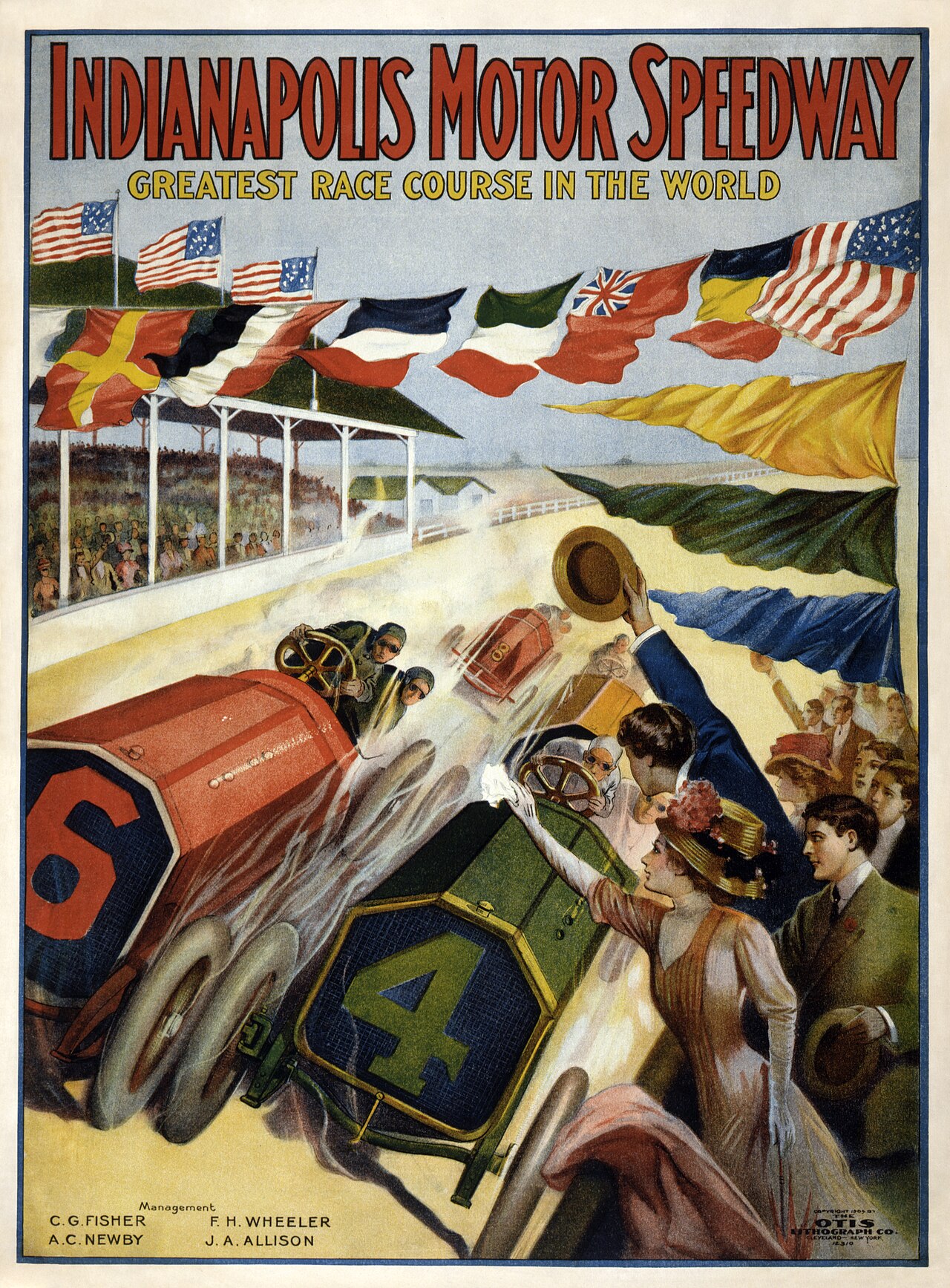
Indianapolis Motor Speedway is one of the most famous tracks in motorsport. It sits in Speedway, Indiana, and it opened in 1909.
The oval
The main track is a 2.5 mile oval. It hosts the Indianapolis 500, a 200 lap race with 33 cars that takes place on Memorial Day weekend. The race is the centerpiece of the IndyCar calendar. The 2026 season ended with Alex Palou winning a fifth IndyCar title.
The road course
The speedway also has a road course layout that uses part of the infield. IndyCar uses it for its Grand Prix of Indianapolis, so fans can see both types of racing at the same venue.
NASCAR at the track
NASCAR first raced at the speedway in 1994 with the Brickyard 400. Stock cars bring a different style of racing to the same famous surface.
Planning a visit
Race weekends are busy, so plan lodging and travel early. Check the speedway’s official site for tickets, schedules and parking before you go.
For more on the series that races here, visit our IndyCar section and our circuit guides.
The Famous Yard of Bricks
A strip of original bricks remains at the start and finish line of the oval. Winners of the Indianapolis 500 traditionally celebrate by kissing it. The race is held on Memorial Day weekend and is one of the most famous events in American motorsport.
Why it is called the Brickyard
The track opened in 1909 with a crushed stone and tar surface that broke up under racing cars. It was repaved with bricks before the 1910 season, which is where the Brickyard nickname comes from.
Asphalt replaced the bricks over the following decades. A three-foot strip of the original brick was left exposed at the start and finish line, and that is the patch winners kneel down to kiss.
How the Indy 500 grid is decided
Qualifying is not one fast lap. Each car gets a single attempt at four laps, and the average speed across those four laps sets its time.
The field is 33 cars, filled by speed. The slowest entries on the first day can be bumped out of the field by a faster car on the second, and bumping is why qualifying at Indianapolis draws its own crowd.
The shape of the oval
The oval is 2.5 miles (4 km) around, with four turns banked at roughly 9 degrees and two short chutes connecting them. The layout has not changed since it was built.
That shallow banking is why cars run in such close packs here. There is no steep wall holding a car in line, so drivers work the slipstream and the outside line instead of relying on the corner to catch them.
Formula 1 raced here too
Formula 1 used a road course built partly inside the oval from 2000 to 2007. The layout ran down the main straight and into the infield, and Michael Schumacher won the first edition in 2000.
The 2005 race became the event’s low point. Only six cars started after a tire dispute between the teams and the supplier, and a packed grandstand watched a race decided entirely in the pit lane.
Frequently Asked Questions
On Memorial Day weekend.
A strip of bricks at the start and finish line of the oval, left from the original track surface.
Yes. The grounds include a road course in addition to the oval.
The track was repaved with bricks before the 1910 season. A strip of the original brick is still exposed at the start and finish line.
Each car makes one attempt at four laps, and the four-lap average speed sets its time. Slow entries can be bumped from the 33-car field.

