F1 Glossary: 40 Terms Every New Fan Should Know

F1 commentary is full of short terms that can confuse new fans. This glossary explains 40 of the most common ones in plain English, grouped by topic. Where we have a full guide, the term links to it.
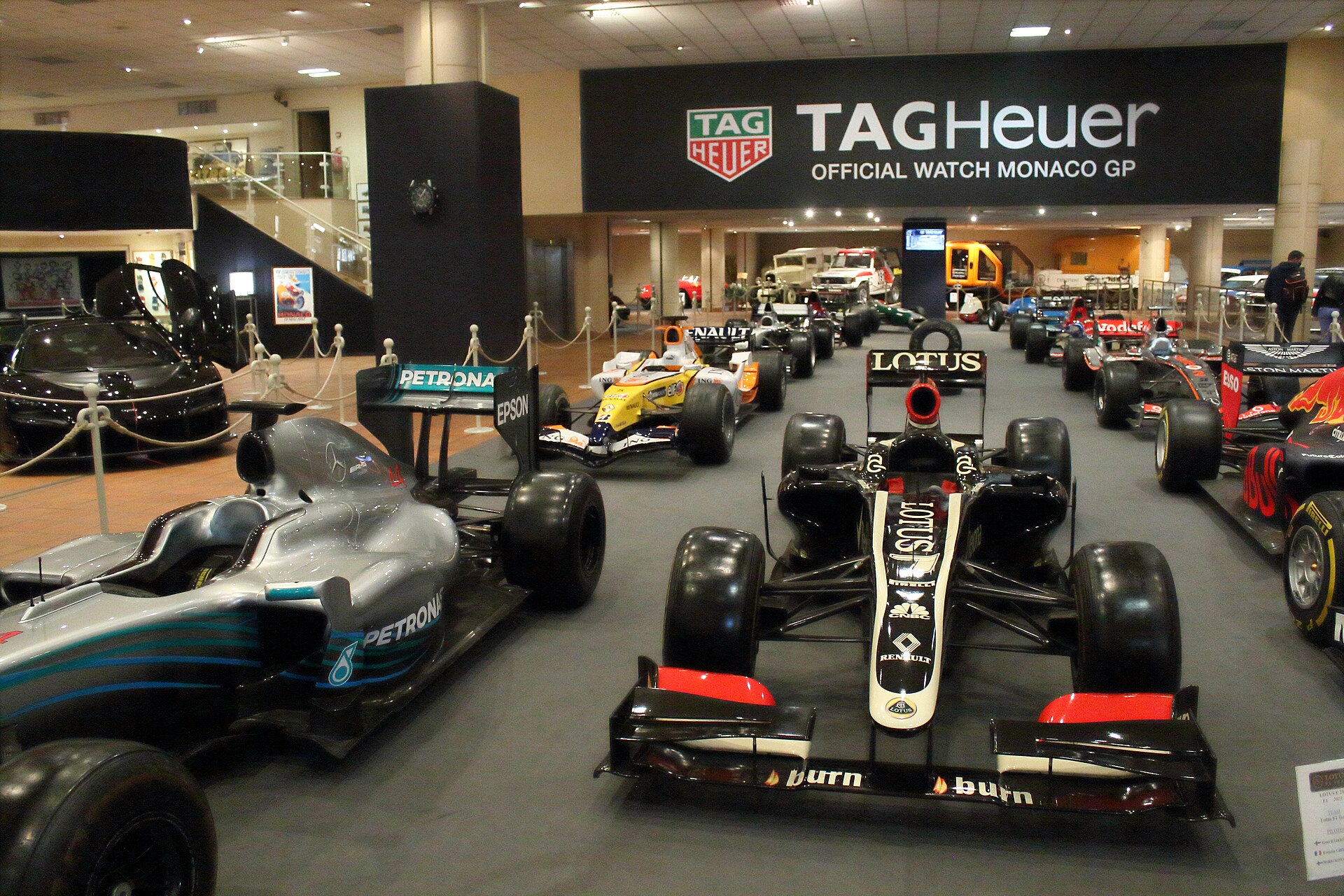
Race terms
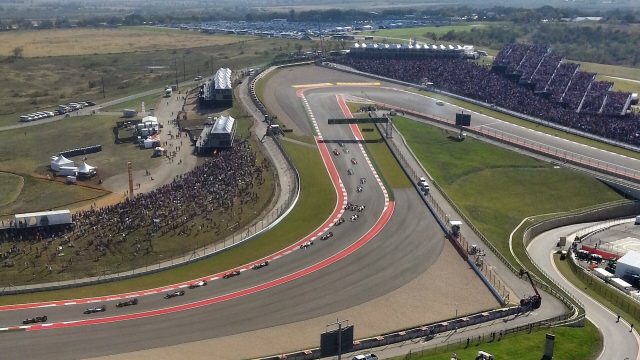
Grid. The starting positions on the track. Qualifying sets the grid, and there are 22 cars in 2026.
Pole position. First place on the grid, earned by the fastest driver in the final qualifying session.
Formation lap. The slow lap before the race, when cars leave the grid, warm their tires and return to their starting spots.
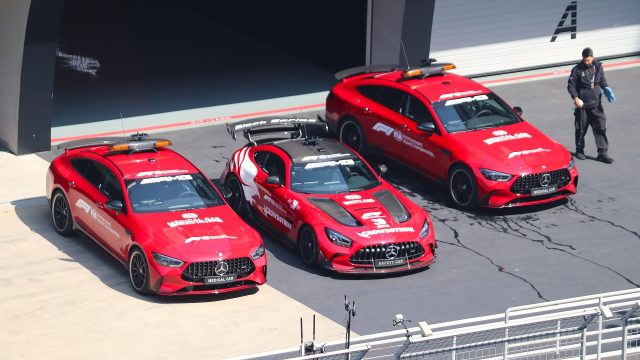
Safety car. A car that leads the field at reduced speed after an accident or hazard, which bunches the cars together.
Virtual safety car. A slow-down in which every driver must stay under a set speed, with no physical car on the track.
Red flag. A signal that stops the session. Cars return to the pit lane. See our flags guide.
Restart. The moment racing resumes after a safety car or a red flag.
Backmarker. A slower car near the back of the field that faster cars catch and pass.
DNF. Did not finish. A driver who retires or cannot complete the race.
Fastest lap. The quickest single lap in a session. The bonus point for it was removed in 2025, as our points guide explains.
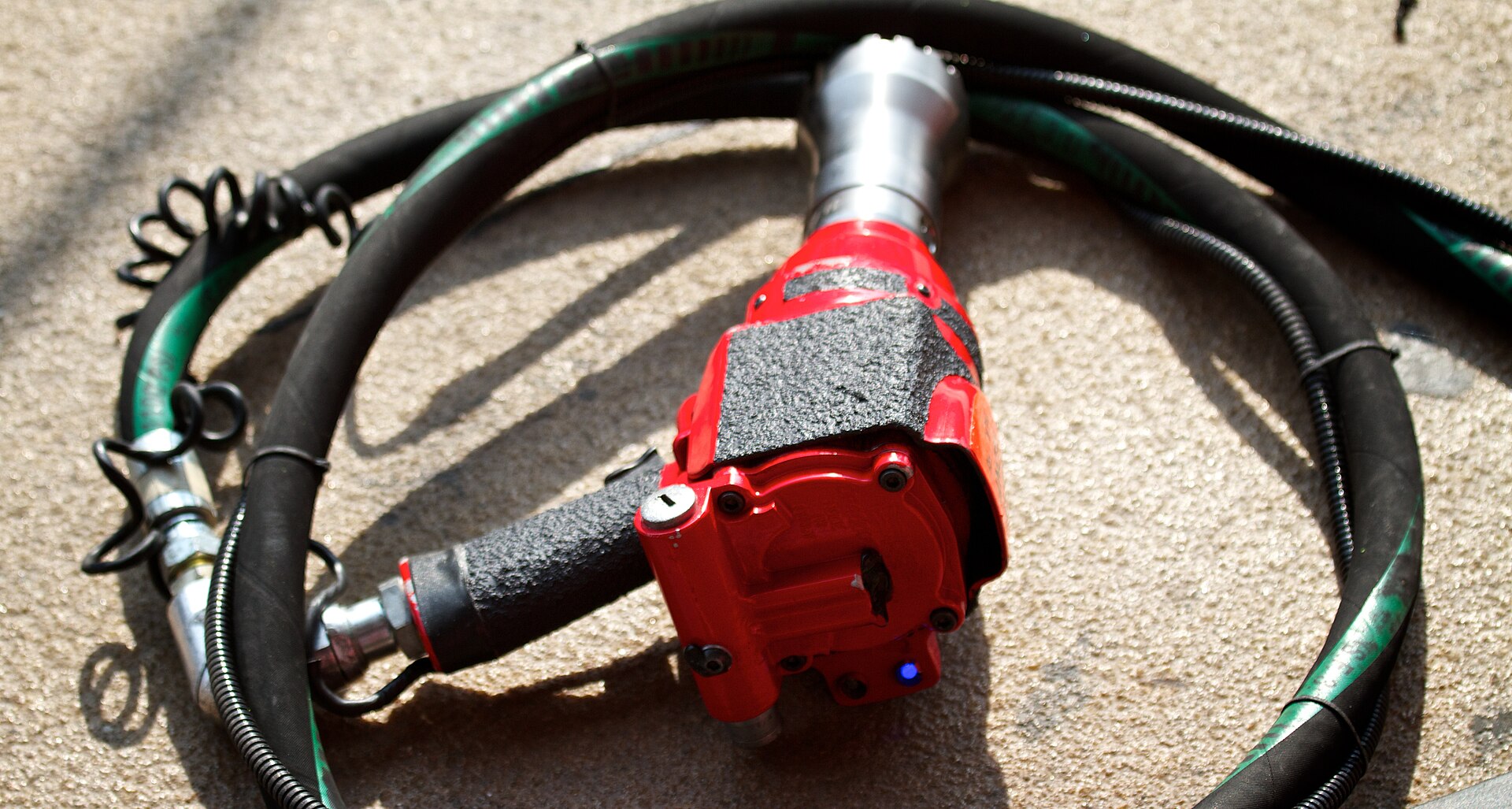
Strategy terms
Pit stop. A stop in the pit lane to change tires. See our pit stop guide.
Box box. A radio call that tells a driver to enter the pits. The box is the team’s garage.
Stint. The part of the race between two pit stops.
Undercut. Pitting earlier than a rival so that fresher tires gain time on the next laps.
Overcut. Staying out longer than a rival, hoping to gain time on older tires while the rival is in traffic.
Compound. The type of tire rubber, such as soft, medium or hard. See our tire guide.
Tire degradation. The loss of grip as a tire wears over a stint.
Slipstream. The reduced air resistance behind another car, which helps a following driver gain speed.
Dirty air. Turbulent air behind a car that makes it harder for a following car to keep grip.
Clean air. Open track ahead, with no car in front disturbing the airflow.

Car and power terms
Downforce. Aerodynamic force that presses the car onto the track and helps in corners.
Drag. Air resistance that slows the car on straights.
Halo. The titanium bar around the cockpit that protects the driver’s head.
Power unit. The engine and hybrid system together. In 2026 it uses a larger electric share than before.
ERS. The energy recovery system, which collects energy and then deploys it as extra electric power.
Active aero. Wing parts that change position on the car, used in the 2026 rules. See our 2026 car rules guide.
Overtake mode. A boost of extra electric power for a chasing driver in 2026 when close to the car ahead.
DRS. The drag reduction system, a flap that opened to help overtaking. It was used in earlier seasons and has been dropped for 2026.
Porpoising. A bouncing effect at high speed caused by changing aerodynamic load on the floor.
Parc fermé. The rules that limit changes to the car once qualifying starts.
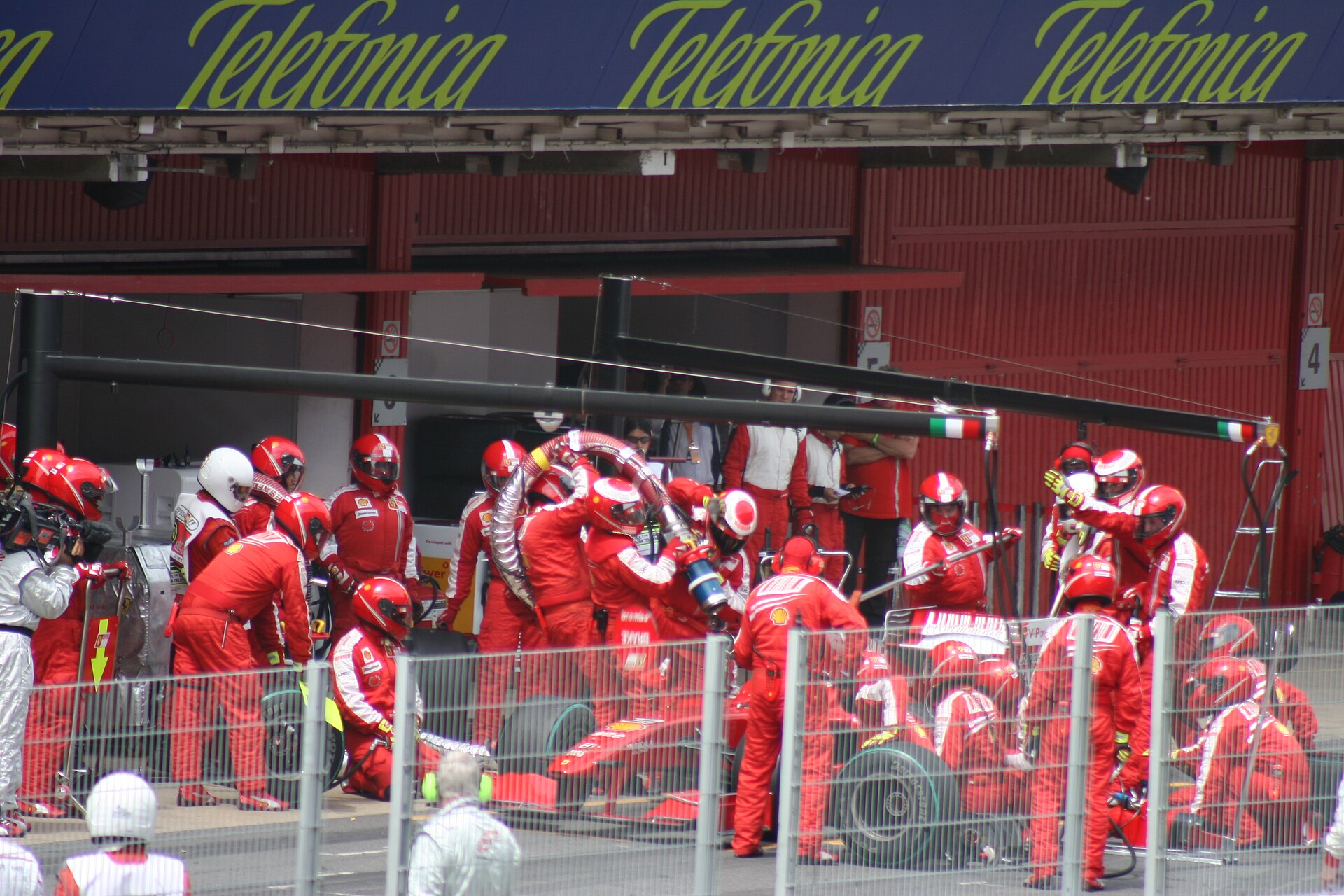
Qualifying and timing terms
Out lap. The lap that takes a car from the pits onto the track to prepare for a fast lap.
Flying lap. A lap driven at full speed to set a time.
Sector. One of three parts of the lap that are timed separately. See our qualifying guide.
Purple sector. A sector time shown in purple on the timing screen, meaning it is the fastest of any driver in that session.
Track limits. The white lines on the edge of the track. Cars must stay inside them, or lap times can be deleted.
Penalty terms
Stewards. The officials who review incidents and decide penalties.
Time penalty. Extra seconds added to a driver’s race time, or served during a pit stop.
Drive-through penalty. A penalty served by driving through the pit lane at the speed limit without stopping.
Grid penalty. Places lost at the start of the next race, for example after using too many engine parts.
Black and white flag. A warning flag for unsportsmanlike driving. See our flags guide.
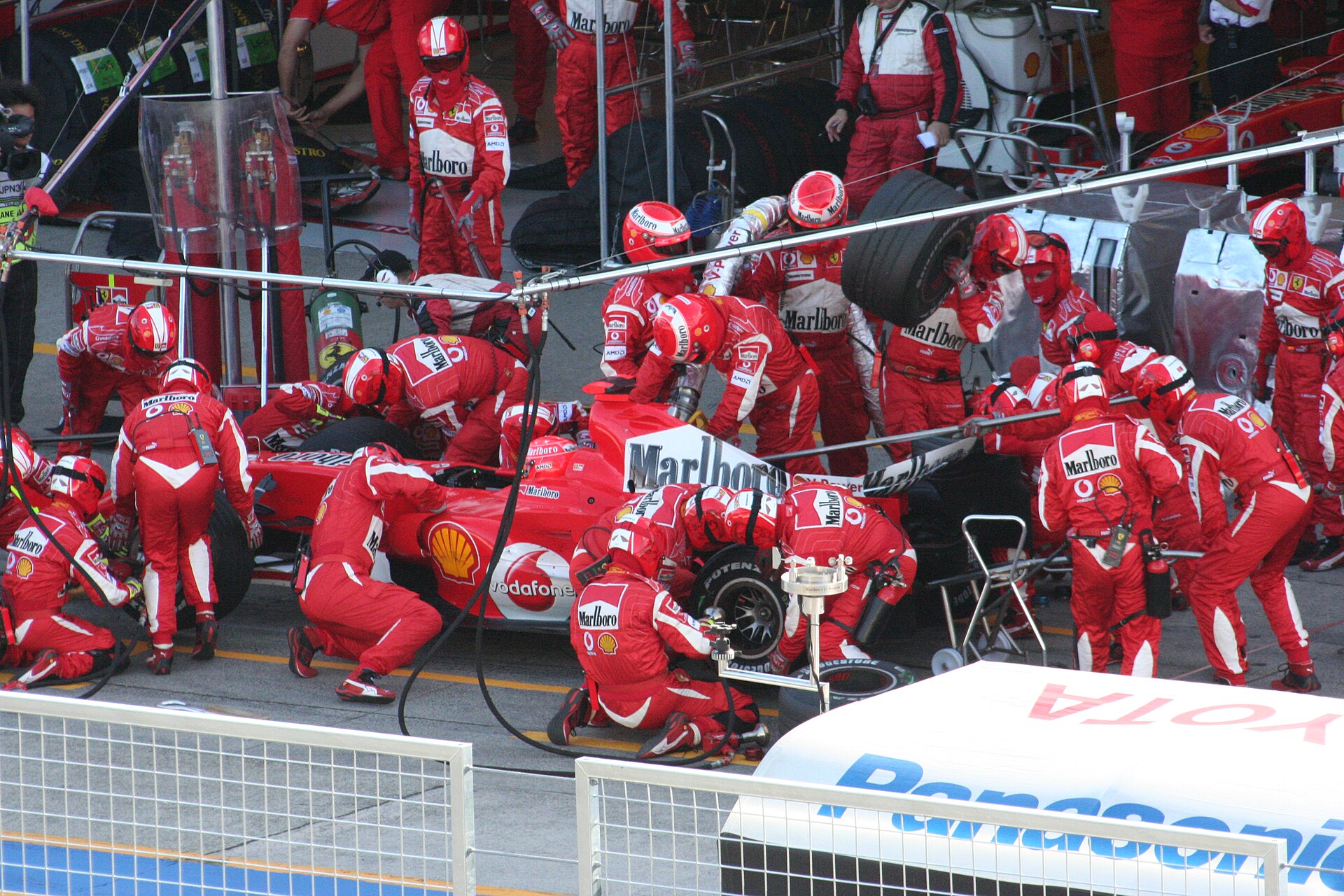
Keep learning
Next, read how a race weekend works, who is on the 2026 grid, and where the teams stand in the standings.