How the Full Face Racing Helmet Got Its Start

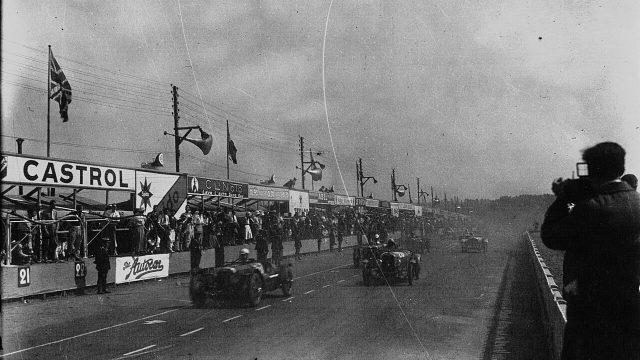
Before the mid 1960s, most race drivers wore an open face helmet and a pair of goggles. It was simple gear. It left the face uncovered.
That changed in 1966, when Bell introduced the Bell Star. According to Bell’s own history of the helmet, it was developed at the company’s new Long Beach, California facility, working with driver Dan Gurney.
Why Gurney wanted it
Gurney was tall. His face sat exposed to rocks and debris, some of it thrown up by cars ahead. He wanted more head protection than an open face helmet and goggles could give. The Star covered the whole face and gave him that.
First in a car, then on the big stage
Bell credits Swede Savage, a former motorcycle racer mentored by Gurney, as the first driver to wear one in a car. Gurney then brought the design to wider attention by wearing it at the 1968 Indy 500 and the German Grand Prix.
After that, full face helmets spread through the paddock. Open face helmets became a look from the past.
From goggles to a visor
The change that mattered most was not the shell. It was what replaced the goggles.
An open-face helmet left the eyes covered by separate goggles, and goggles have two problems: they can be knocked loose, and the seal around the face is never perfect at 200 mph. A full-face helmet put a visor on a hinge and sealed the whole face behind one piece of curved plastic.
Ventilation was the hard part. A closed helmet traps heat and fogs up, so early full-face designs had to move air through the shell without letting debris in. That fight between airflow and sealing is still going on in every helmet sold today.
The standard matters more than the shell
A helmet is only as good as the test it has passed. Competition helmets are certified to standards such as Snell SA or the FIA’s own 8860 specification, and those tests cover impact energy, penetration and how the shell behaves against fire.
They also expire. The liner foam and the shell both degrade with age and with exposure to heat and sunlight, regardless of whether the helmet has ever been dropped. Most competition helmets are replaced on a roughly five-year cycle for that reason.
That is the main gap between a collectible and a piece of safety equipment. A helmet from 1968 is a piece of history. It is not a helmet.
Where open-face helmets held on
The full-face design did not take over everywhere at once. In drag racing and some forms of dirt racing, open-face helmets stayed in use for years because drivers wanted maximum peripheral vision and the crash types were different.
Formula and sports car racing went the other way almost completely. Once one driver at the front of a grid was wearing a Star, the argument was over.
Collecting vintage helmets
Old racing helmets are popular with collectors. A few things to check before you buy:
- Ask for clear photos of the shell, the lining and the chin strap.
- Look for a maker label inside. Missing labels make dating harder.
- Treat a vintage helmet as a display piece. Do not use it for track or road riding.
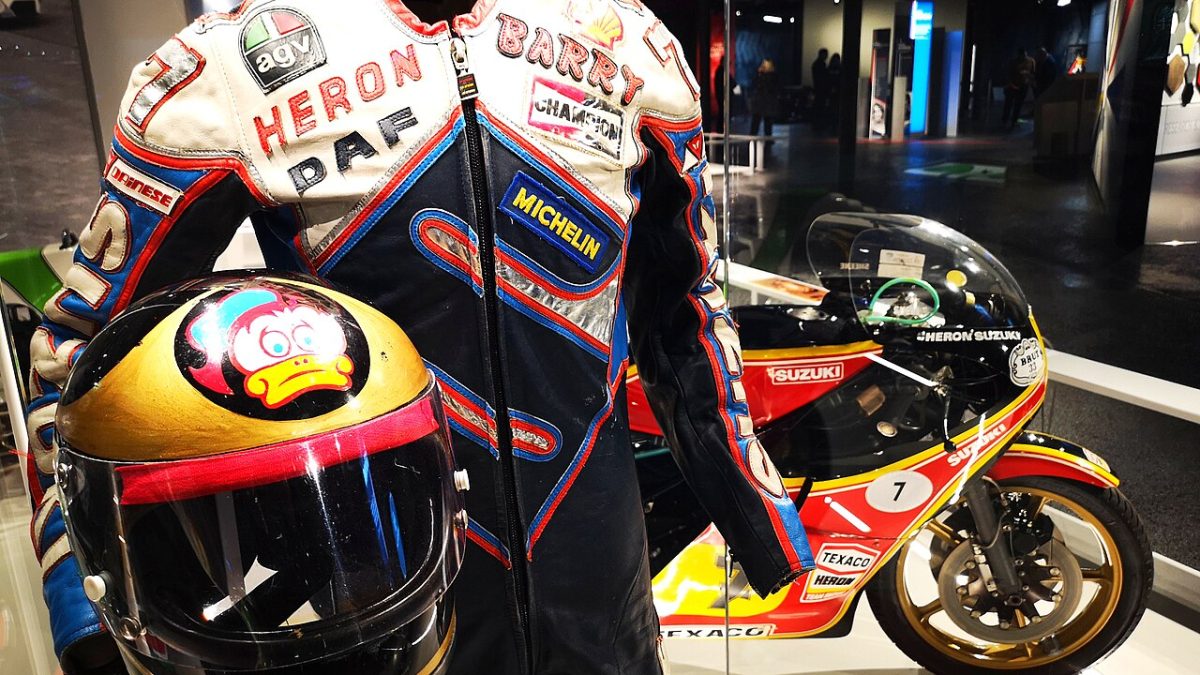
- Be cautious with any helmet sold as worn by a famous driver unless it comes with solid documentation.
The Star is a good reminder of how much racing gear owes to drivers who asked for something better.
Source: Bell Racing, Bell70 Episode 3.
Helmets matter most on fast tracks. See our Indianapolis Motor Speedway guide and how short tracks differ from superspeedways. Collecting vintage gear? See why racing chronographs carry race names.
What was the first full-face racing helmet?
Bell introduced the Bell Star in 1966, developed at its Long Beach, California facility with driver Dan Gurney.
How long does a racing helmet last?
Competition helmets are usually replaced on a roughly five-year cycle, because the liner and shell degrade with age even if the helmet has never been hit.

Alex is the editor of Apexline, an independent Formula 1 and US motorsport site for American fans. Alex writes race previews, results and rule explainers, checks every result, point total and session time against formula1.com and the FIA, and converts race times to Eastern, Central and Pacific time. Read how we work in our editorial policy: https://vantage97.design/editorial-policy/