Short Tracks vs. Superspeedways: How the Track Changes NASCAR Racing


A NASCAR race at Bristol and a race at Daytona can feel like two different sports. The track decides how drivers pass, how teams plan pit stops and where the contact happens.
What is a short track?
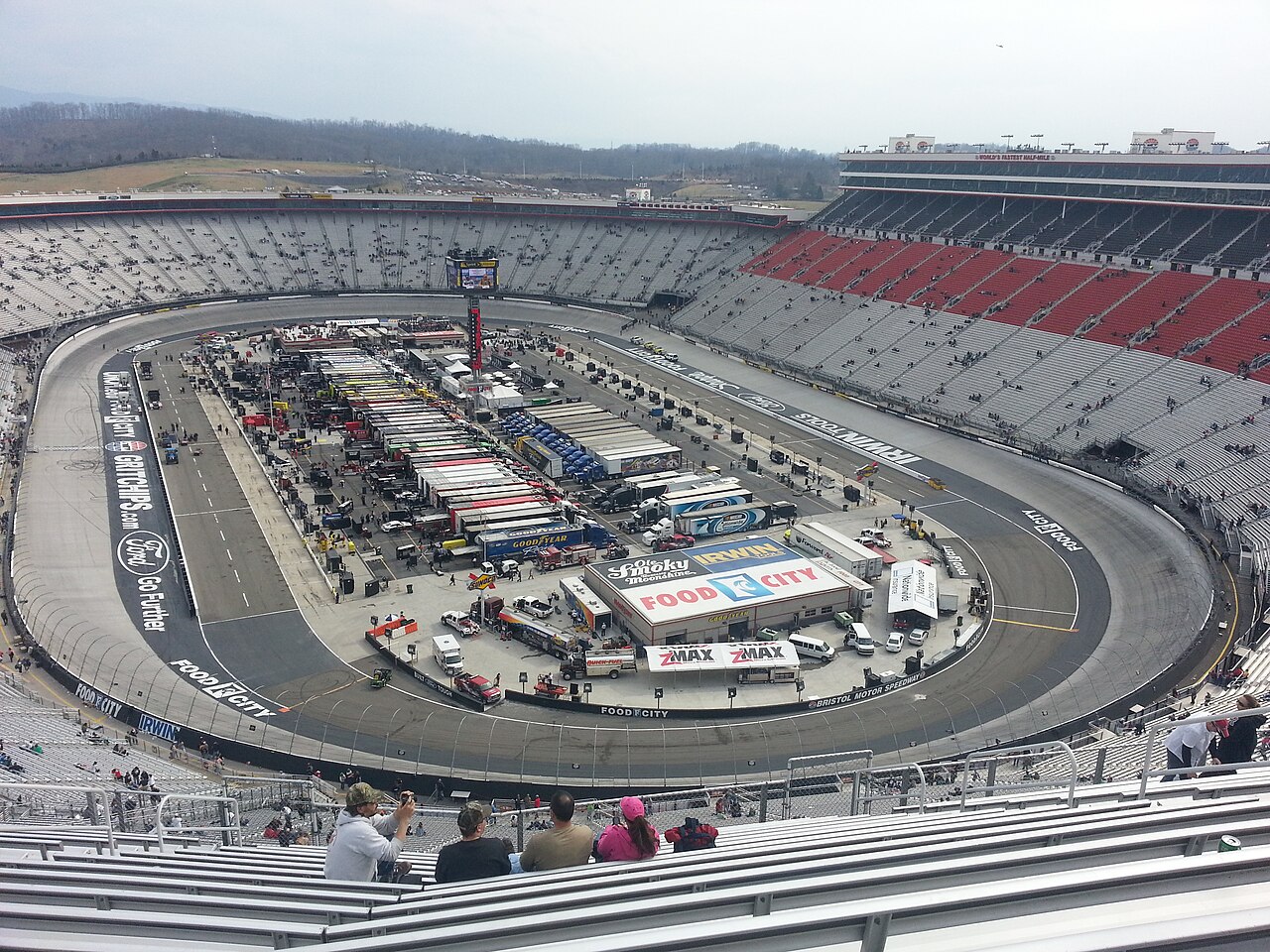
Short tracks are ovals shorter than a mile. Bristol Motor Speedway and Martinsville Speedway are two well known examples. Laps pass quickly, traffic is constant and cars run close together.
That means more bumping, more tire wear and more chances to gain or lose spots in the pits. Drivers need patience, because track position is hard to win back.
What is a superspeedway?
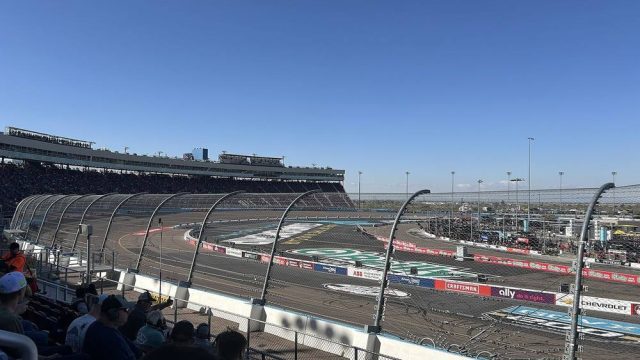
Superspeedways are the biggest ovals on the schedule. Daytona International Speedway is 2.5 miles around, and Talladega Superspeedway is a bit longer. Speeds are high and cars run in tight packs.
Drivers use the draft, which lets a car follow closely behind another and use less effort to keep up. Pushing and pairing up on the straights matters as much as raw speed.
How the race feels different
On a short track, a faster car can often work its way to the front. On a superspeedway, the pack stays close, so one mistake can involve many cars at once. Fans see side by side racing on both, but for different reasons.
How to watch with this in mind
At a short track, watch the pit stops and tire wear. At a superspeedway, watch who is pushing whom and how the lanes form. Browse our NASCAR section for more guides, and see how the same ideas apply in other racing formats.
Quick Rule of Thumb
- Short track: under about a mile, more contact, more strategy.
- Superspeedway: about two miles or more, pack racing and drafting.
For a road racing look at the sport, see our Le Mans guide.
What actually slows the cars down
Superspeedway racing is not fast because the cars are unrestricted. It is fast because everyone is held to roughly the same power.
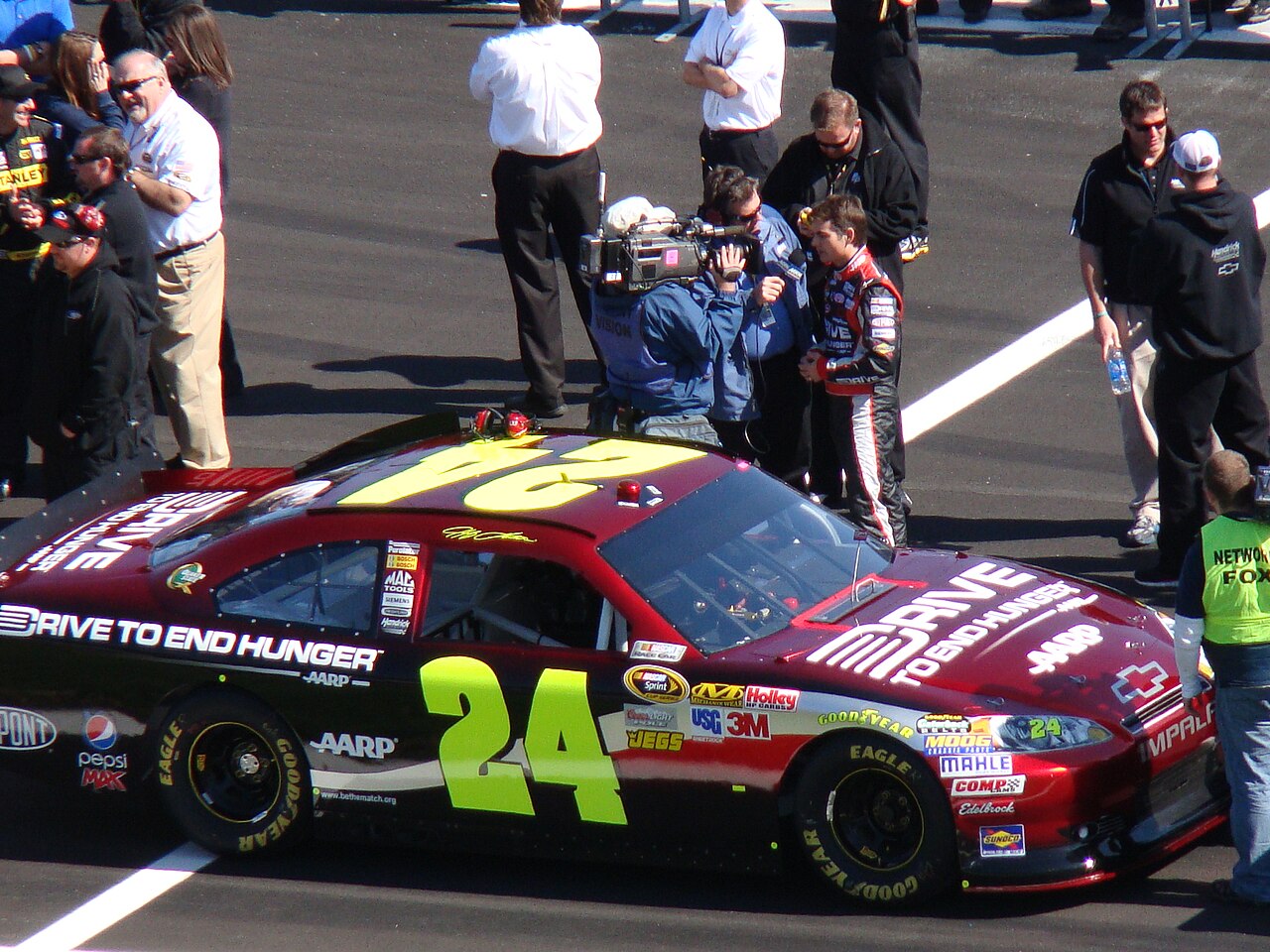
For decades NASCAR used restrictor plates at Daytona and Talladega to cap the air going into the engine. From 2019 the plate was replaced by a tapered spacer, which does a similar job with a different shape. Either way, the point is the same: when every car has about the same power, the draft decides the race rather than horsepower.
The package also raised the rear spoiler and added a panel under the car, which is what keeps cars locked together in two-by-two pairs at the front.
The tracks in between
Most of the NASCAR schedule is neither. Tracks between one and two miles long, such as Darlington, Charlotte and Kansas, are called intermediates, and they behave like a third category.
An intermediate is quick enough that aero matters and long enough that tire wear spreads the field out. Drivers can run side by side for a corner without the pack racing you get at Daytona, and passing usually needs a setup advantage rather than a push from behind.
How stages changed both
Since 2017 a NASCAR race is split into stages, with championship points paid at the end of each one. That changed pit strategy on every type of track.
On a short track, a team can now pit near the end of a stage knowing a caution is likely, rather than trying to stretch a set of tires across the whole race. On a superspeedway, the stage break gives everyone a guaranteed chance to regroup and the field bunches back up, which is why so many superspeedway races come down to a short sprint at the end.
What the tires tell you
Tire wear is the clearest signal of which kind of track you are watching.
At a short track, tires fall off quickly and a driver who looks after them can pass cars late in a run. You can watch the lap times slide by several tenths and then see the field close back up. At a superspeedway, tire wear is low and the field stays bunched, so the strategy lives in the draft and in fuel windows instead.
Frequently Asked Questions
A track under about a mile in length, where racing is close and cars often make contact.
A track about two miles or longer, such as Daytona or Talladega, where cars run in packs and the draft is key.
A part that limits the air going into the engine at superspeedways, replacing the restrictor plate from 2019. It keeps the field close enough that the draft decides the race.
An oval between about one and two miles long, such as Darlington or Charlotte. Quick enough for aero to matter, long enough for tire wear to spread the field.