F1 V8 Engines Return in 2030? What the FIA Is Proposing

The F1 V8 engines return in 2030 plan is the loudest idea in the paddock right now. FIA president Mohammed Ben Sulayem says Formula 1 should go back to naturally aspirated V8 engines, and he wants the first race with them to be in Rwanda. Fans in the US have been asking the same question since the 2026 rules arrived: what will the cars sound like, and will they be fun to watch again? Here is what has been said, what is only a target, and what still has to happen before a single V8 hits the track.
What Ben Sulayem Actually Said About V8 Engines
Ben Sulayem has said the V8 should come back in 2030. He had earlier talked about 2031, so the date has already moved once. He also tied the new engine to the planned Rwanda Grand Prix, saying he would like the first V8 race to happen there. You can read our full explainer on that race in F1 Rwanda: What We Know About Formula 1’s Return to Africa.
The targets he has mentioned are bold. They include around 760 horsepower, roughly 10 percent electrification, a car about 80 kilograms (176 pounds) lighter than today, and at least 50 percent lower research and development costs. Ben Sulayem added his own caveat on the weight figure, so treat it as a goal, not a promise.
V8 Return Plan at a Glance
| Item | What has been stated | Status |
|---|---|---|
| Target year | 2030 (earlier talk of 2031) | Proposal only |
| Power | About 760 hp | Target, not written into rules |
| Electrification | About 10 percent | Target |
| Weight | About 80 kg (176 lb) lighter | Target with a caveat from Ben Sulayem |
| Costs | At least 50 percent lower R&D spending | Target |
| First race | Rwanda | Wish, no confirmed date |
The key point is that no V8 regulation has been written. Everything above comes from interviews and statements, which means it can still change.
Why Formula 1 Wants Louder Cars
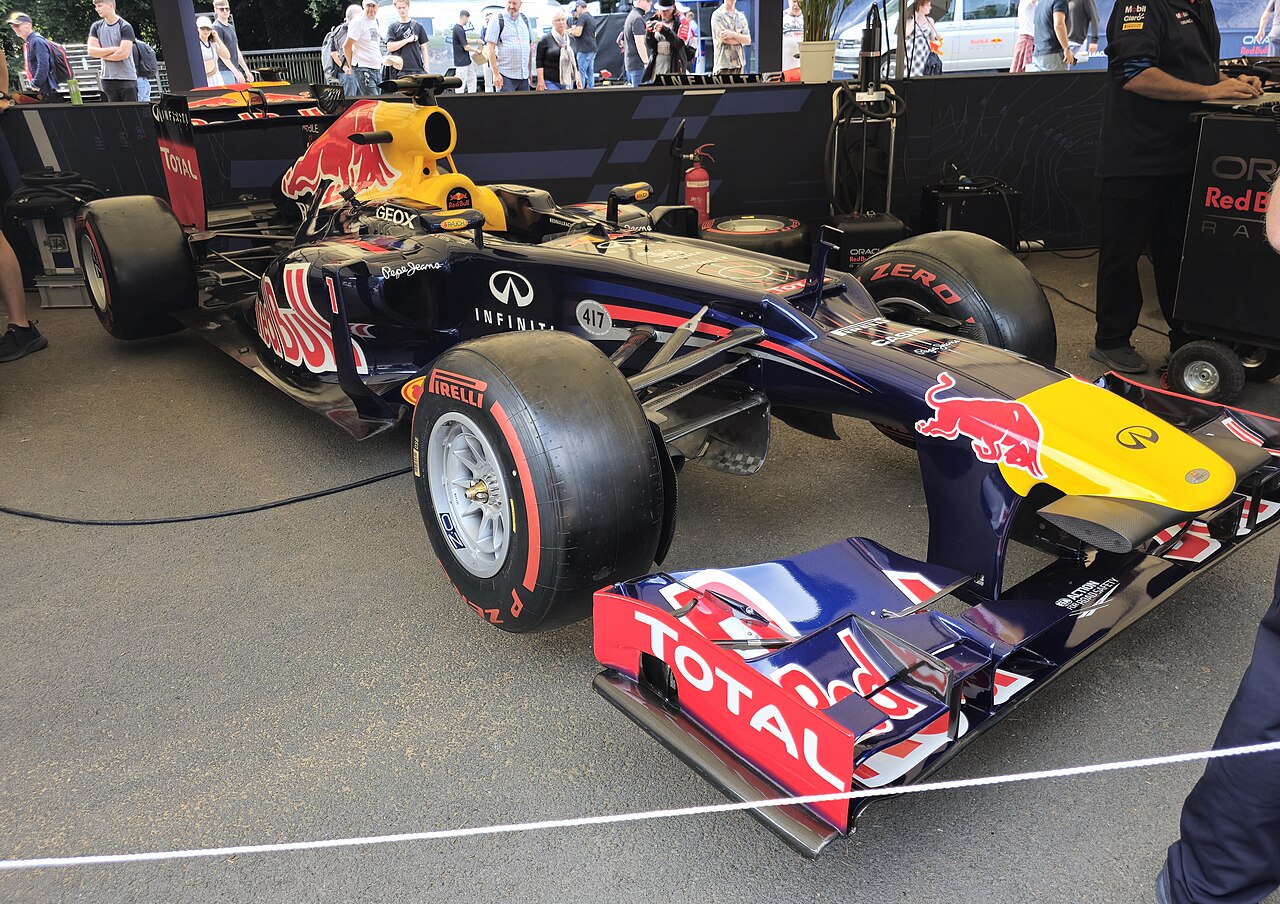
The current 2026 cars use a V6 turbo hybrid engine with a much larger electric share than before. That helped bring in new manufacturers, including Audi and Ford with Red Bull, but it also drew criticism. Some drivers and fans say the cars feel too complicated and sound too quiet. Max Verstappen famously compared the new cars to Formula E on steroids.
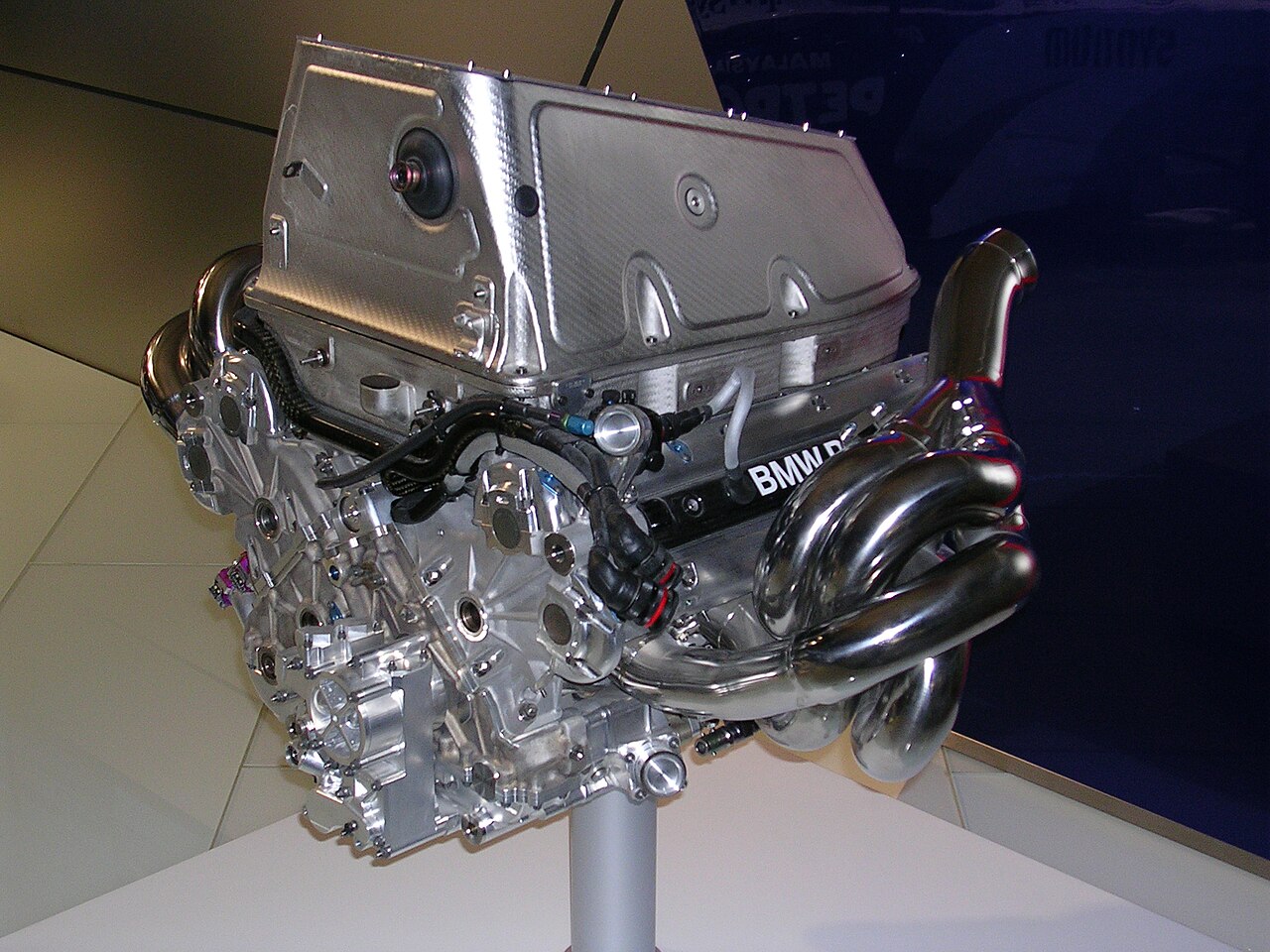
A V8 offers a simple pitch. It is easier to explain, it sounds closer to the era many fans grew up with, and it could cut costs. The 2006 to 2013 period used 2.4 liter V8 engines that screamed past 18,000 rpm. That is the sound many supporters want back.
The Sustainable Fuel Question
A return to V8 power does not mean going back to old fuel. Formula 1 already runs on 100 percent sustainable fuel from 2026. The idea is that a V8 running on that fuel could keep the environmental story intact while delivering the noise fans miss. Whether the numbers work is a question for engineers, and the details are not public yet.
Who Must Agree for 2030
Engine rules are not decided by one person. Under the process described in recent reports, four of the six current power unit manufacturers must approve a change for 2030. If they do not, the FIA could still impose it for 2031. That gap is why the date keeps moving.
Audi’s Mattia Binotto has said a V8 is certain in the long run and that 2030 is the earliest it could happen. The positions of Honda, Ford with Red Bull, and Cadillac have not been stated clearly. Until more manufacturers speak, the plan is a proposal with one strong supporter and many open questions.
A Short History of the V8 in Formula 1
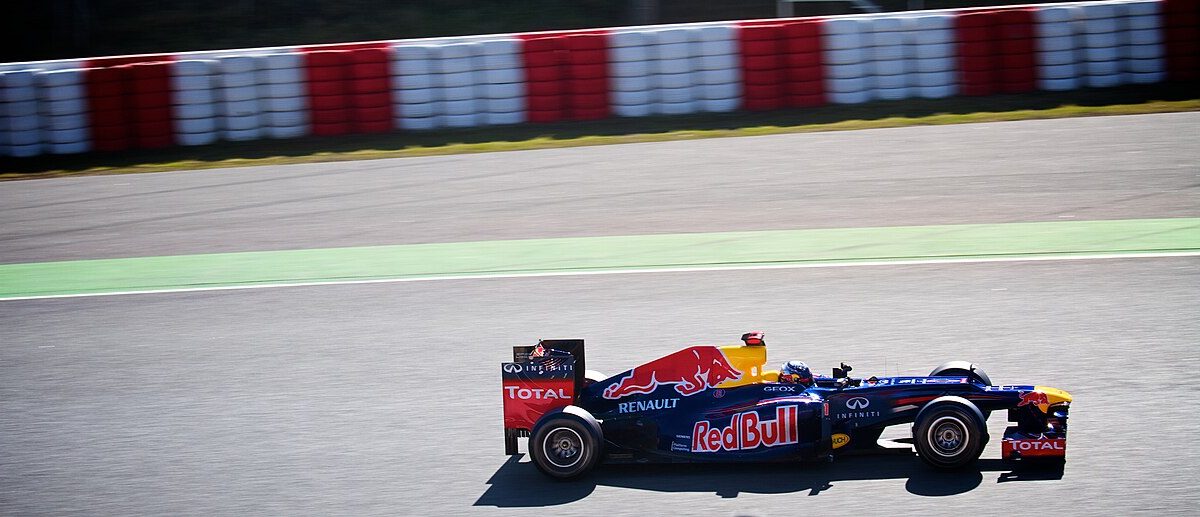
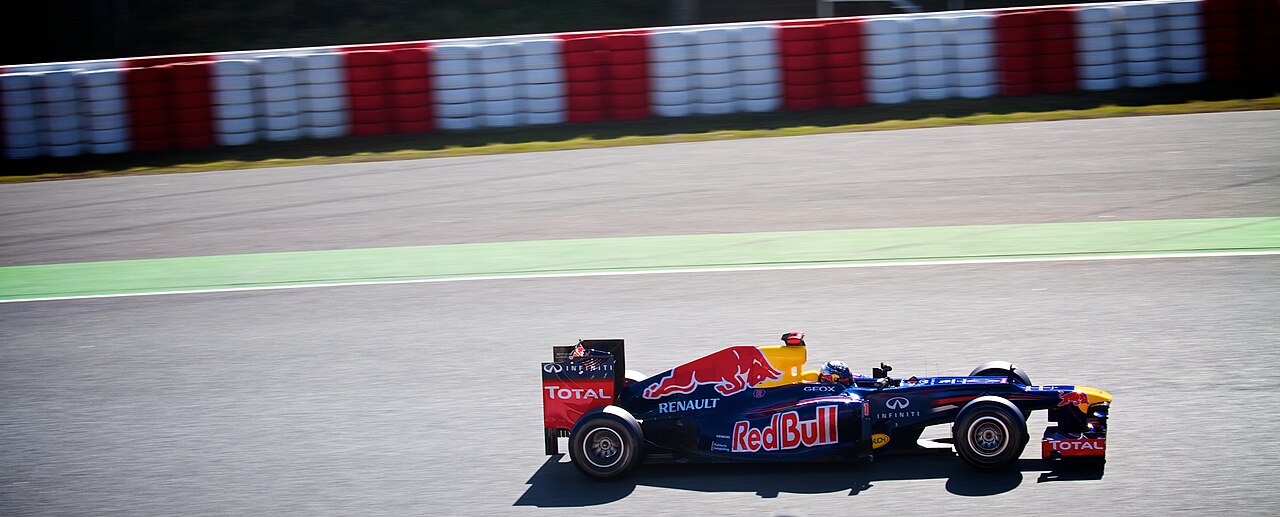
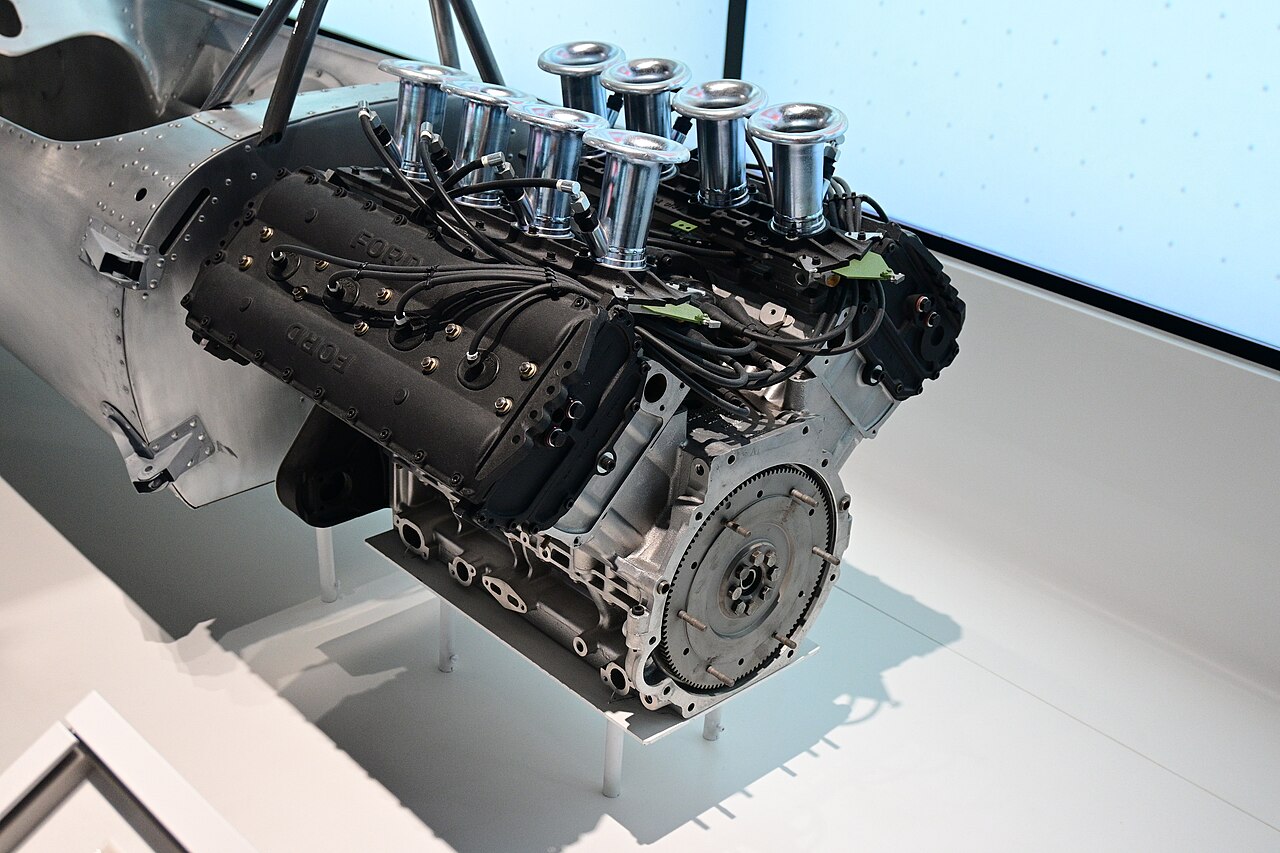
V8 power is deeply tied to F1 history. The Ford Cosworth DFV, a 3.0 liter V8 that arrived in 1967, powered a huge number of cars and wins in the following years. The more recent 2.4 liter V8 formula ran from 2006 to 2013, with engines frozen in development for much of that time. Seeing both designs in person shows how far engine packaging has moved.
What This Means for Fans in the US
If you follow F1 from the US, nothing changes this season. The 2026 rules remain in place for now, and the title fight is still the story. You can check the remaining races and start times in our F1 schedule 2026 guide, and see the current points in the F1 standings 2026 page. Antonelli leads Russell by 102 points after Round 17, so the championship may be decided before the V8 debate is.
The practical effect of a V8 plan would show up in the late 2020s: new team deals, new suppliers, and possibly a smaller electric role. For US fans, that also affects how many manufacturers want a seat at the table, since a cheaper engine could attract more teams.
Arguments For and Against a V8 Return
The case for V8 engines
- Sound: A naturally aspirated V8 is loud, and noise is the most common complaint about the current cars.
- Cost: Simpler engines could mean lower development bills, which matters for smaller teams and new entrants.
- Clarity: Fewer moving parts is easier to explain to new fans watching in the US.
- Weight: A lighter car would be easier to race closely, if the 80 kg target holds.
The case against
- Manufacturer investment: Companies that spent years building 2026 hybrid engines may not want to start again so soon.
- Road relevance: Carmakers join F1 partly because hybrid and electric technology matches what they sell, so a V8 could weaken that link.
- Timing: Engine programs take years, and 2030 is not far away.
- Unwritten rules: Until the regulations exist, every figure is a promise, not a specification.
Both sides have a point, which is why the next year of talks matters more than any single headline.
What to Watch Next
Three signals will show whether the V8 plan is real. First, listen for public statements from Honda, Ford with Red Bull, Cadillac and Mercedes, since four of the six manufacturers must approve for 2030. Second, watch for a written draft of the regulations from the FIA, because that would turn targets into rules. Third, follow the Rwanda project, since Ben Sulayem has linked the first V8 race to it.
If a draft appears with real horsepower, weight and fuel numbers, the plan has moved from talk to process. If the date slips again, expect 2031 to become the working target. We will update this guide when new rules or official statements arrive.
Frequently Asked Questions
Are V8 engines coming back to F1?
Ben Sulayem wants them back in 2030, but no regulation has been written and manufacturers have not all agreed.
When would the first V8 race be?
Ben Sulayem has said he would like it to be in Rwanda. No date has been confirmed, and Rwanda’s race itself is still being worked out.
Would the new V8 use hybrid power?
The proposal mentions about 10 percent electrification, so a small hybrid element is expected, with sustainable fuel as the main energy source.
Does this change the 2026 cars?
No. The 2026 regulations stay as they are, and the minimum weight is 768 kg (1,693 lb).

Bottom Line
The V8 idea is real, public and supported by the FIA president, but it is still a plan. The numbers are targets, the date has moved before, and four of six manufacturers must say yes. Keep an eye on official FIA and Formula 1 statements for confirmed rules. Want more explainers like this? Read our F1 Austin 2026 schedule before the next race weekend.