2026 F1 Car Rules Explained: Active Aero and the New Hybrid Engines

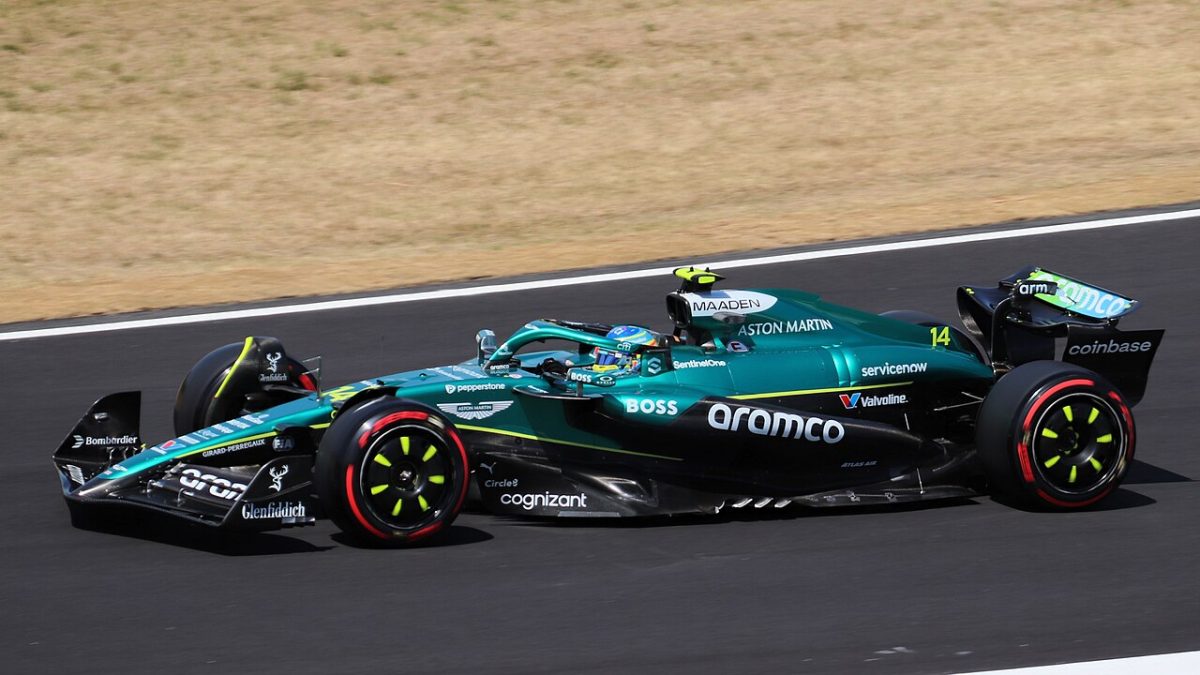
Formula 1 introduced its biggest rule change in decades this season. The 2026 F1 car is smaller and lighter, its wings move on the straights, and its engine gets close to half its power from electricity. “F1 car” is one of the top F1 searches in the US, so here is a plain-English guide to what changed.
Smaller and Lighter Cars
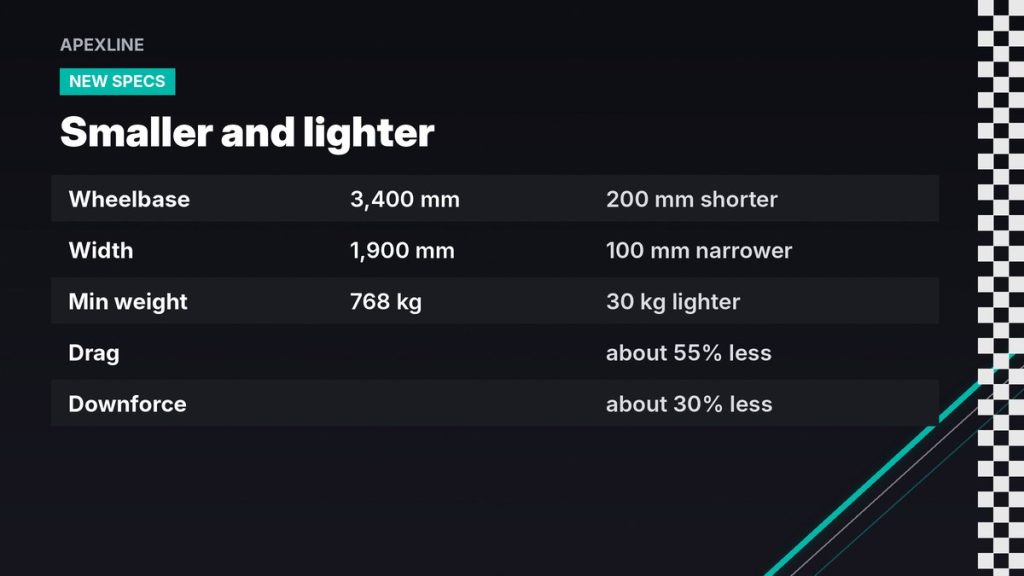
The FIA cut the size and weight of the cars to make them more agile, according to Formula 1’s rules overview:
| Spec | 2026 rule | Change |
|---|---|---|
| Maximum wheelbase | 3,400 mm | 200 mm shorter |
| Width | 1,900 mm | 100 mm narrower |
| Minimum weight | 768 kg | 30 kg lighter |
| Downforce | About 30% less | |
| Drag | About 55% less |
The cars still run 18-inch Pirelli tires, but the fronts are 25 mm narrower and the rears are 30 mm narrower.
Active Aerodynamics
The front and rear wings now have flaps that move. In corners, they stay closed to give the car grip. On designated straights, they open into a low-drag mode to raise top speed and save energy. Unlike the old DRS system, every driver can use the low-drag mode on every lap, whether or not he is chasing another car.
The floor changed too. The deep ground-effect tunnels of the last era gave way to flatter floors with longer diffusers, and the rear beam wing is gone. Our explainer on slipstream and dirty air shows why these changes matter for following another car.
The New Hybrid Engine
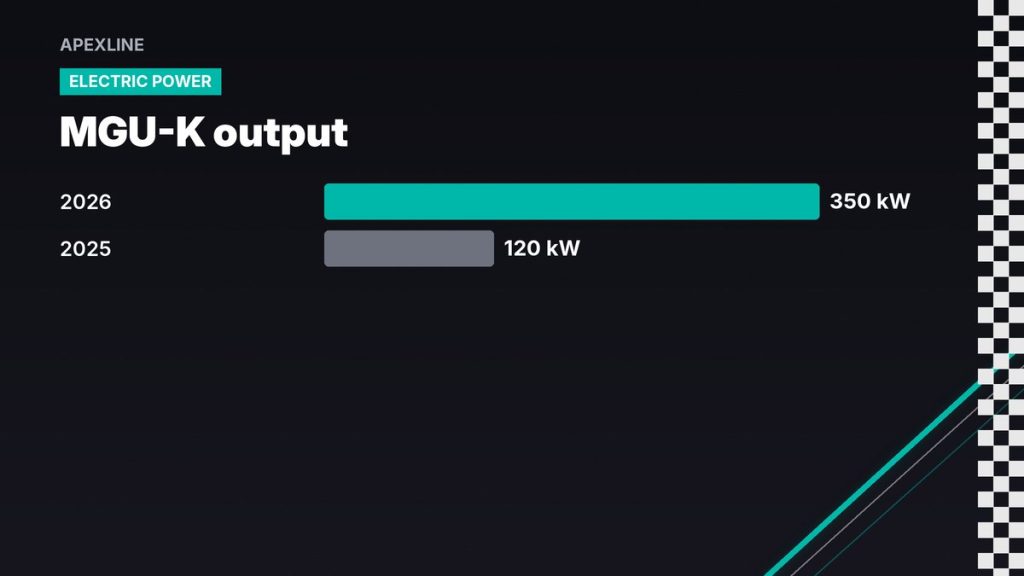
The engine is still a 1.6-liter V6 turbo hybrid, but the balance shifted. The electric motor’s output rises from 120 kW to 350 kW, close to a 50-50 split with the combustion engine. The complex MGU-H unit was dropped, and the battery recovers twice as much energy per lap, as explained in Formula 1’s 2026 rules guide.
Every car also runs on advanced sustainable fuel for the first time.
Overtake Mode and Boost
DRS is gone. In its place:
- Overtake Mode gives a driver extra electrical energy when he is within one second of the car ahead at a detection point
- Boost lets a driver use stored battery power to attack or defend anywhere on the lap
How well a driver manages the battery now plays a big part in racing.
Safer Cars
The roll hoop above the driver’s head is 23% stronger, and the front impact structure now breaks away in two stages to absorb more energy in a crash.
New Teams and Manufacturers
The rules brought new makers into the sport. Audi took over Sauber, Red Bull now builds its own engines with Ford, and Honda supplies Aston Martin. Cadillac joined as the 11th team, expanding the grid to 22 cars. General Motors is set to build its own power unit from 2029. Further ahead, the FIA is weighing a return to V8 engines by 2030.
How the Rules Have Played Out
Mercedes adapted best. Kimi Antonelli leads the drivers’ standings and Mercedes lead the constructors by 134 points, as our F1 standings 2026 page shows. Not everyone is happy: Max Verstappen has criticized the new engines, part of a wider set of frustrations he shared in his comments about the paddock.
Watch the new cars on the long straights at the Las Vegas Grand Prix, where low drag and battery use will matter more than almost anywhere else.
Frequently Asked Questions
How much electric power does a 2026 F1 car have?
The electric motor produces up to 350 kW, up from 120 kW, close to a 50-50 split with the combustion engine.
Does F1 still use DRS in 2026?
No. Active aerodynamics and the new Overtake Mode replaced DRS.
How heavy is a 2026 F1 car?
The minimum weight is 768 kg, 30 kg lighter than the previous generation.