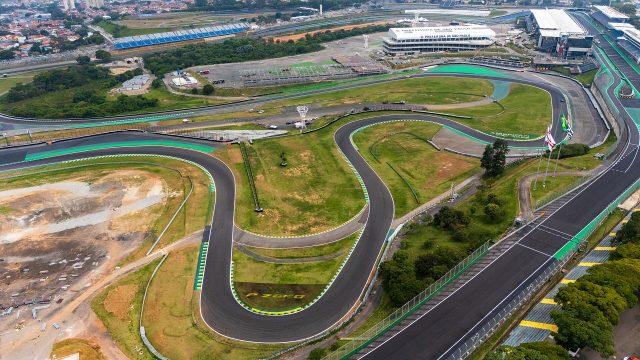
F1 Track Limits Explained: White Lines, Curbs and Penalties

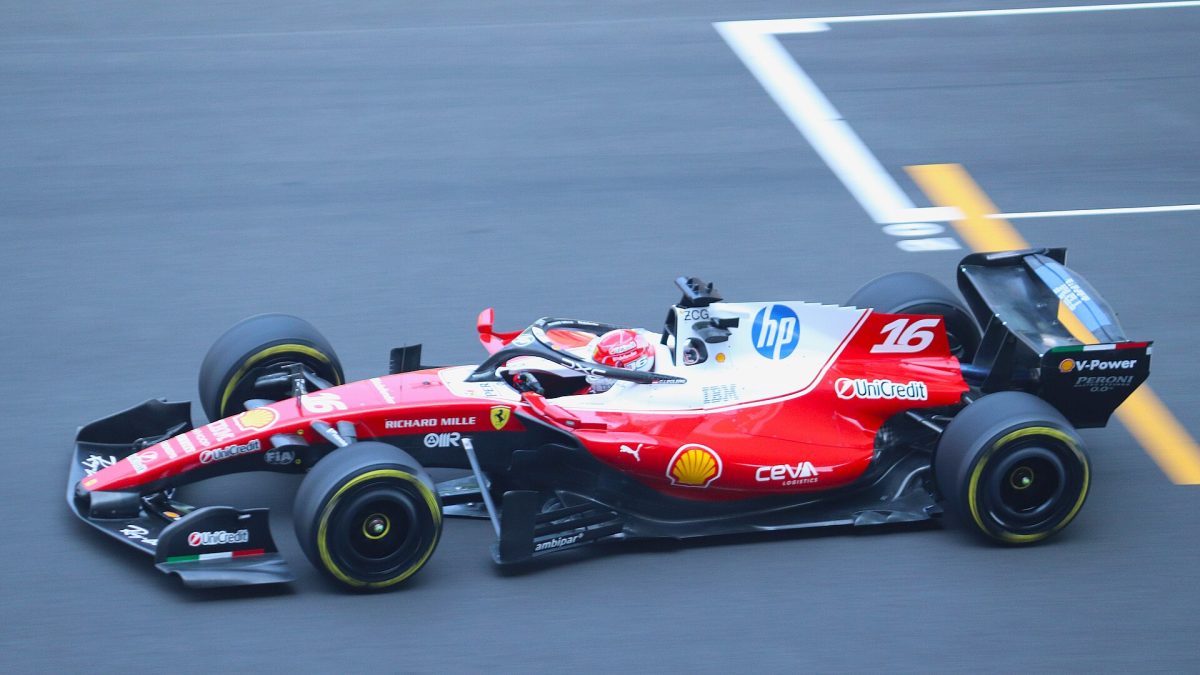
Track limits are the edges of an F1 circuit. A driver has left the track if no part of the car touches it. The white lines count as track, but the curbs do not. Cross the limit and a driver can lose a lap time in qualifying or be penalized in the race.
Last updated: November 10, 2026
What are track limits in F1?
Think of track limits as the out-of-bounds line. F1 drivers must stay on the track, and the FIA defines exactly what that means. Drivers must make every reasonable effort to use the track at all times and may not leave it without a justifiable reason. That rule is Article B1.8.6 of the FIA 2026 Sporting Regulations, Section B (Issue 09).
Is the white line part of the track?
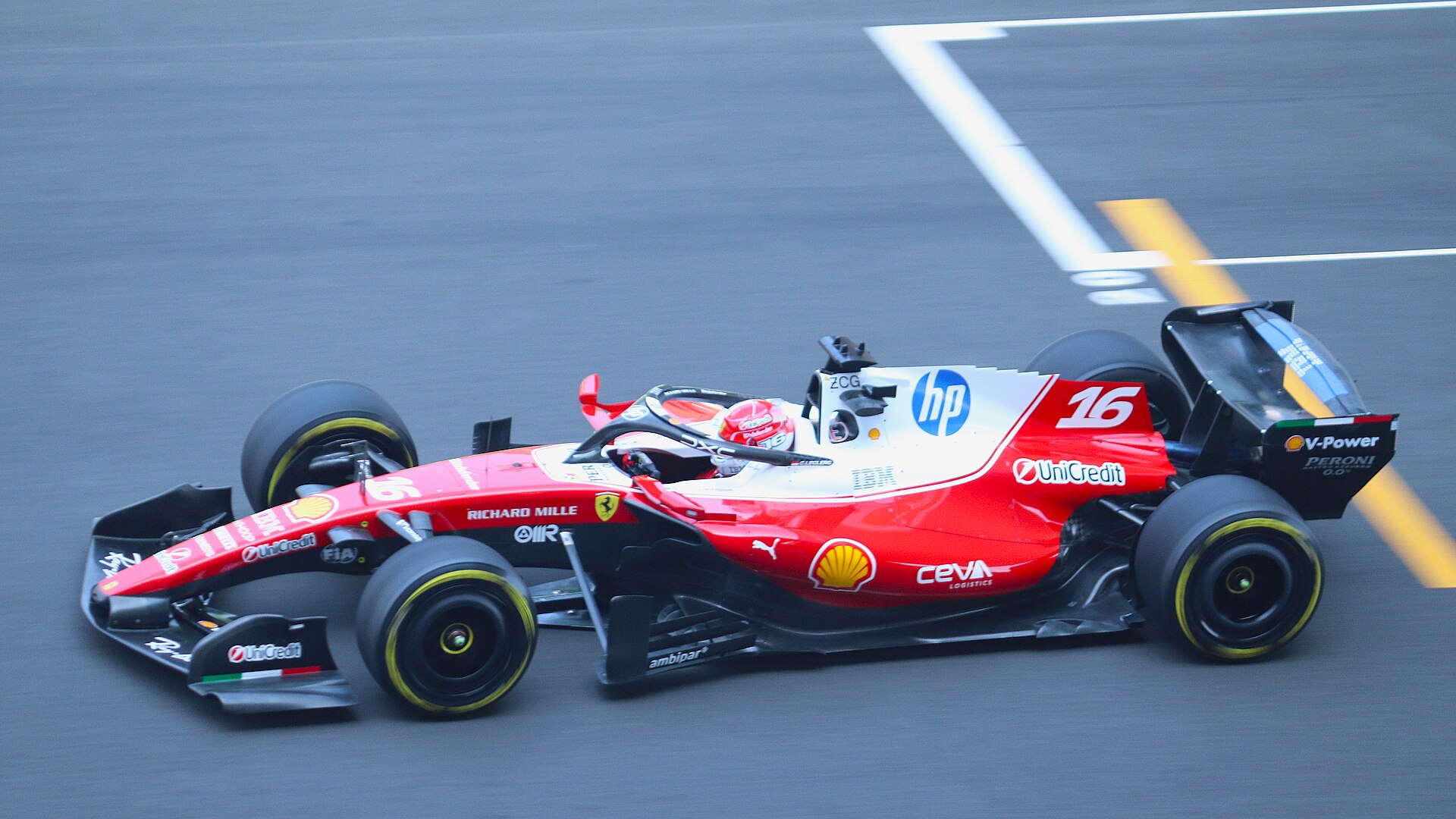
Yes. The regulations say a driver has left the track only if no part of the car remains in contact with it. Any white lines that mark the track edges are part of the track. Curbs are not.
In practice that means a car can run wide and still be on the track, as long as some part of it touches the white line or the surface inside it. Once no part of the car is in contact, the driver has left the track.
What happens if a driver goes beyond the limit?
It depends on the session. The stewards decide whether a driver is penalized, and the regulations list what they can do.
| Session | What the stewards can do | Article |
|---|---|---|
| Practice and qualifying | Delete a driver’s lap time or lap times, or drop the driver a number of grid positions | B1.9.4 |
| Race | Impose a 5-second or 10-second time penalty, a drive-through, a stop-and-go, another time penalty, or a reprimand | B1.9.5 |
Those penalties apply to incidents and infringements in general, including leaving the track. A lap time that is deleted cannot be used to set the grid. See our guide to how F1 qualifying works for why one lap can decide the grid.
Can a driver rejoin the track?
Yes, but only when it is safe, and without gaining a lasting advantage. If a driver does gain one, the Race Director may give the driver the chance to give back the whole advantage. The rule sits in the same Article B1.8.6.
Who decides whether a driver broke the limit?
The Race Director can report any on-track incident or suspected breach to the stewards (Article B1.9.1). The stewards decide whether to investigate (B1.9.2) and whether to penalize (B1.9.3). The FIA publishes the decisions on fia.com.
The Race Director also issues event notes to the teams for each weekend, and the FIA publishes them on its website. Check them for weekend-specific details. The rules above come from Section B, which does not set out a warning-and-penalty ladder for track limits.
What are the penalties for track limits?
The penalty list is the one above: a deleted lap or grid drop in practice and qualifying, and a time penalty, drive-through, stop-and-go or reprimand in the race. For how grid drops and time penalties work, see our guide to F1 penalties. Flags are also part of enforcement; see our flags guide.
F1 track limits: frequently asked questions
Track limits are the edges of the circuit. A driver has left the track only if no part of the car remains in contact with it. White lines count as track and curbs do not.
Yes. The FIA regulations treat any white line that defines the track edge as part of the track. The curbs are not part of it.
In practice and qualifying the stewards can delete the lap time or drop the driver grid places. In the race they can give a 5-second or 10-second time penalty, a drive-through, a stop-and-go, another time penalty or a reprimand.
Yes, but only when it is safe and without gaining a lasting advantage. The Race Director can let the driver give the advantage back.
Article B1.8.6 of the FIA 2026 Sporting Regulations, Section B.
Related reading

Alex is the editor of Apexline, an independent Formula 1 and US motorsport site for American fans. Alex writes race previews, results and rule explainers, checks every result, point total and session time against formula1.com and the FIA, and converts race times to Eastern, Central and Pacific time. Read how we work in our editorial policy: https://vantage97.design/editorial-policy/