F1 Race Weekend Explained: From Practice to the Race


An F1 race weekend runs from Friday to Sunday, with practice, qualifying and the race in a set order. Knowing what each session is for makes it easier to decide when to tune in.

A normal weekend
| Day | Session | What it is for |
|---|---|---|
| Friday | Practice 1 and Practice 2 | Teams learn the track, test setups and tires |
| Saturday | Practice 3 and qualifying | A final setup check, then the session that sets the grid |
| Sunday | The race | Points go to the top finishers |
Practice sessions do not award points or grid places. Teams use them to test parts, find the best setup and learn how tires wear. Qualifying then sets the grid. For the details, see our qualifying guide.
What happens on Friday
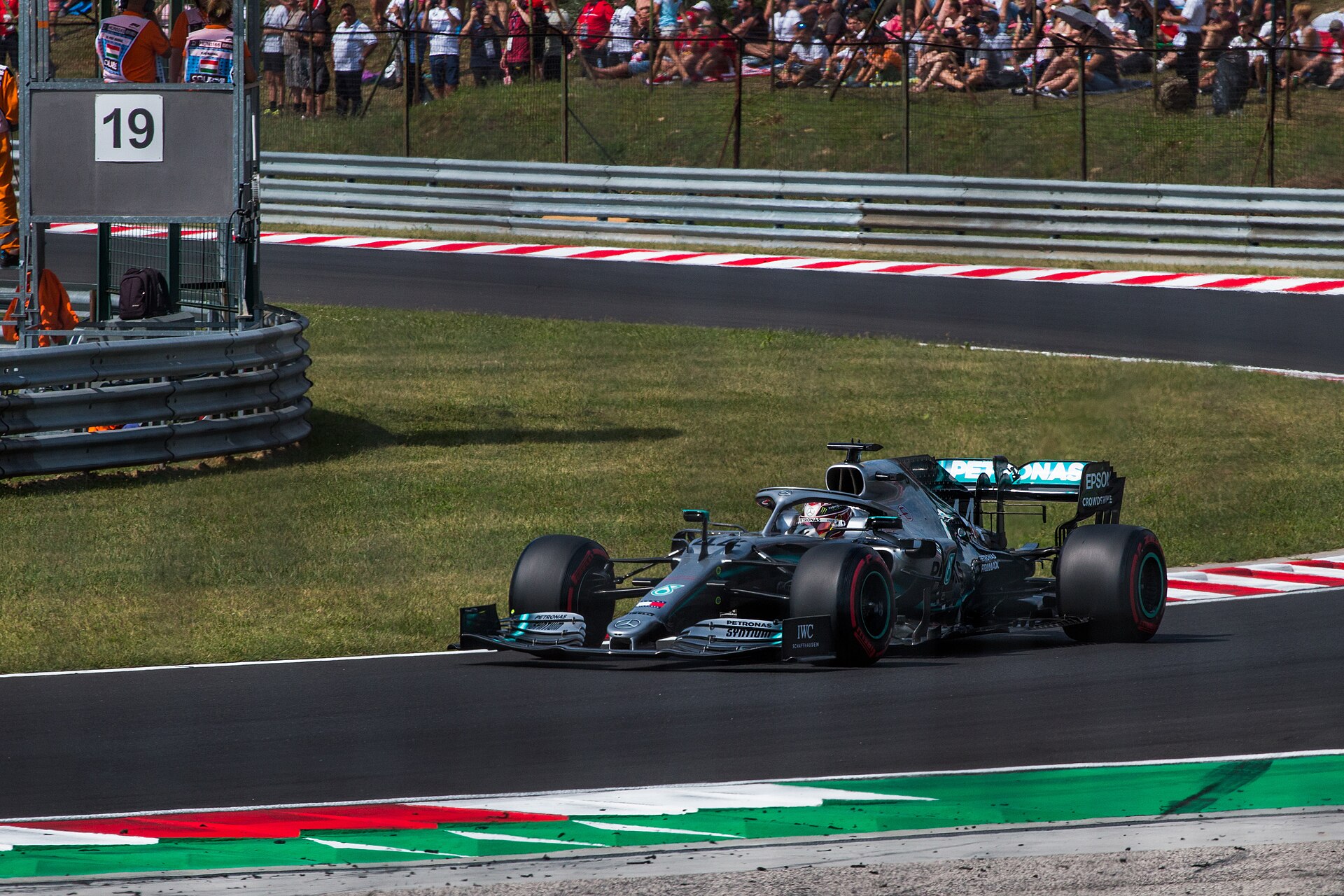
Friday is about preparation. Each practice session lasts 60 minutes. Teams run through setup changes, test new parts, and collect data on how the tires wear. Drivers also use the sessions to learn the circuit, especially at venues where conditions change with the temperature. Because nothing is decided, Friday lap times are not a guide to Sunday. Teams run different fuel loads and tire plans.
What happens on race day
Sunday builds toward the start. Cars go to the grid, the formation lap warms the tires, and the lights go out. The top ten finishers score points, which feed the drivers’ and constructors’ championships. See our points guide for the full scoring table. After the race, the top three drivers go to the podium, and the cars return to the pit lane.
A sprint weekend
Sprint weekends have fewer practice sessions and add a shorter race on Saturday. The sprint hands out a small number of points of its own. Our sprint guide explains the format, and the remaining races list shows which weekends are on the calendar.
How the race works
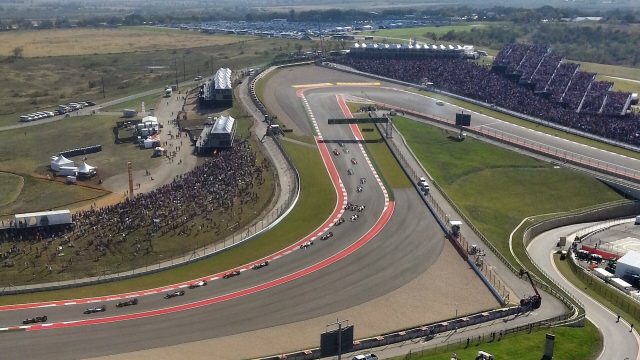
The race starts from the grid in qualifying order. A formation lap comes first, then the lights go out. A race is capped at two hours of running time, and the distance is set at just over 190 miles (305 km) at most tracks. Drivers make pit stops during the race for tires, as covered in our pit stop guide.
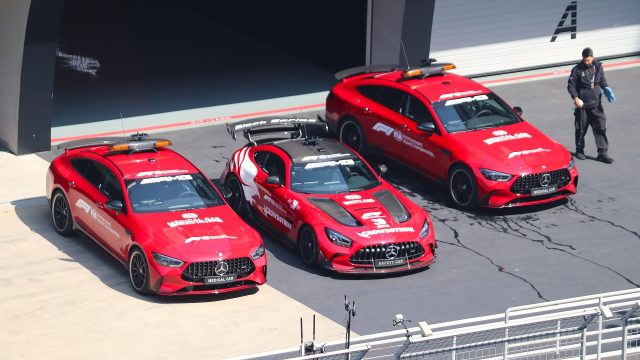
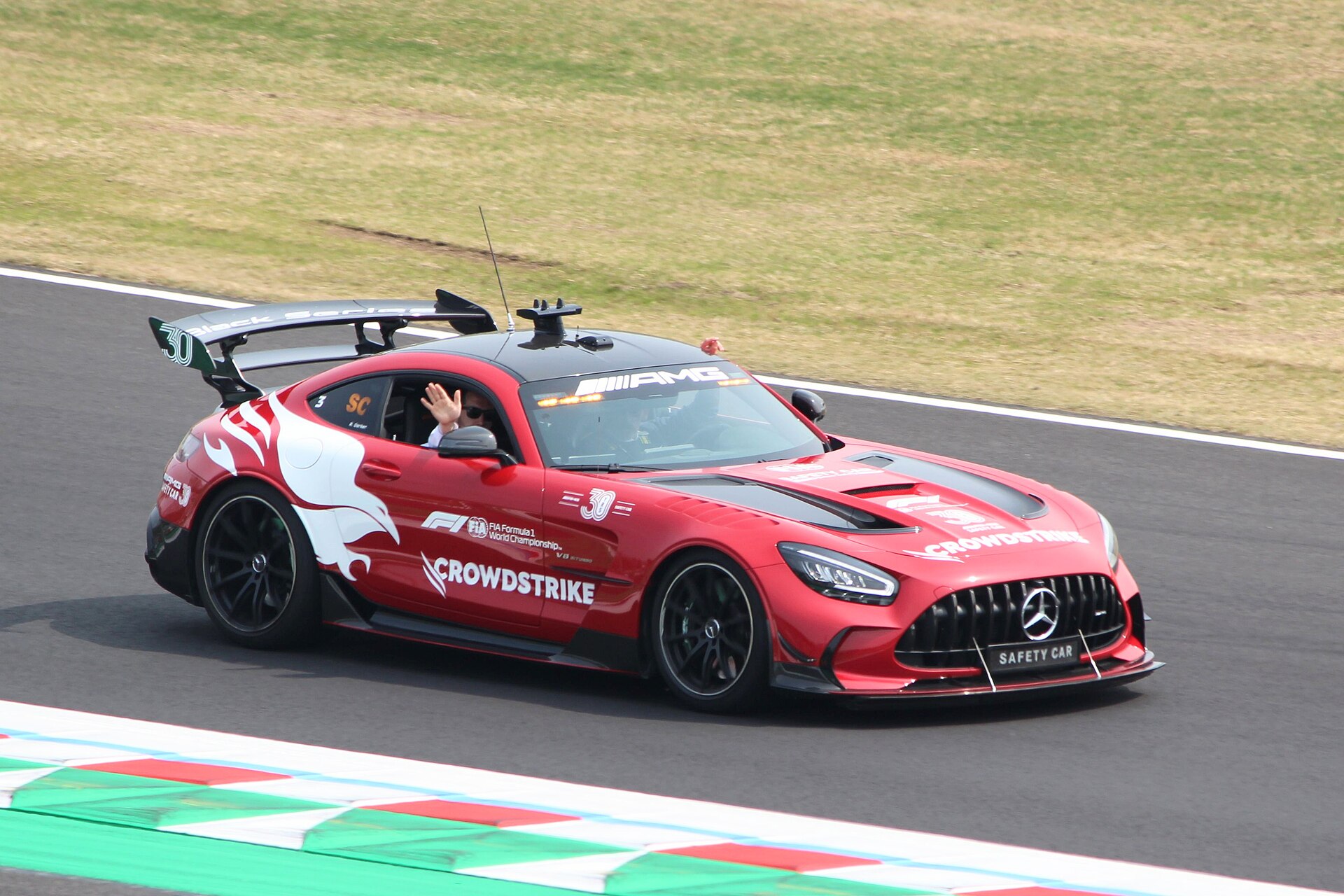
If there is an accident, the race can be slowed by a safety car or stopped with a red flag. Our flags guide explains what each color means.
Time zones and start times
Session times follow the local clock at each venue. A race in Europe or Asia can start early in the morning in the US, while a race in Texas or Mexico City fits an afternoon slot. Official schedules show local time, so convert them to Eastern, Central or Pacific before you set an alarm.
What to watch live and what to skip
If you only have time for two sessions, watch qualifying and the race. Qualifying shows each car at its best, and the race shows strategy and overtaking. Practice is useful if you like to follow tire testing and setup work, but it is easy to skip on a busy weekend.
Where to find US times
Session times change with every venue and time zone. Check our Austin weekend schedule for Central Time and our viewing guide for where to stream. Points and standings are tracked in the 2026 standings.
Frequently asked questions
How long is an F1 race weekend?
A race weekend takes three days, from Friday practice to the Sunday race.
Which session sets the starting grid?
Qualifying sets the grid for Sunday’s race. On sprint weekends, the sprint has its own order, so check the schedule for details.
Do practice sessions count for points?
No. Practice has no points and no grid effect.